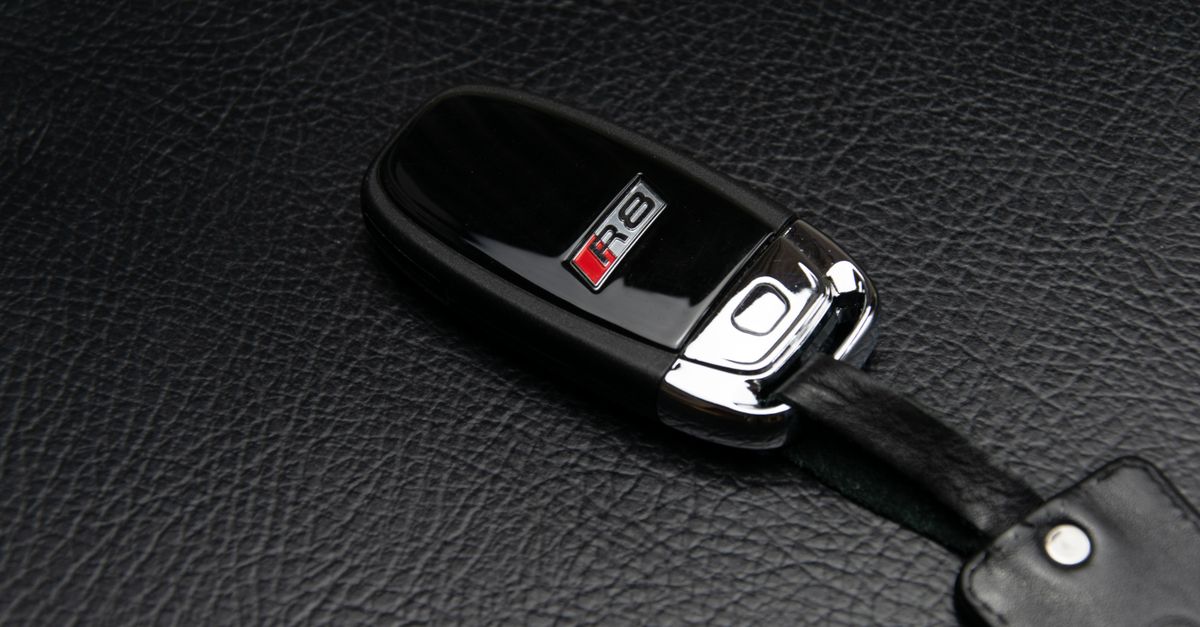
Understanding Your Audi Key Technology Before We Replace It
Audi has used several distinct key systems across its model lineup, and the replacement process differs significantly between them. Older Audi models may use a basic transponder key — a metal-cut blade with a chip embedded in the plastic head that communicates with the vehicle's immobilizer. If that chip is damaged, cloned incorrectly, or missing entirely, the engine won't start even if the physical cut is perfect. Mid-generation models introduced remote-head keys that combine the transponder chip with lock/unlock buttons and sometimes a fold-out blade. More recent Audi vehicles use proximity smart keys — sometimes called Audi Advanced Key — where the vehicle detects the fob in your pocket without requiring you to press anything. Each system requires specific programming steps and compatible hardware; there's no universal shortcut that works across all of them.
Our technicians identify your exact Audi key type during the service call, which determines the equipment and blank required. This matters for your quote too: the parts involved, the programming method, and the time required all factor into the final price we confirm with you up front. There are no surprise add-ons after the work is done. We also carry key fob shells and replacement battery hardware for situations where the electronic internals are functional but the housing is cracked or the battery contacts are corroded — sometimes a full replacement isn't necessary, and we'll tell you that honestly.